
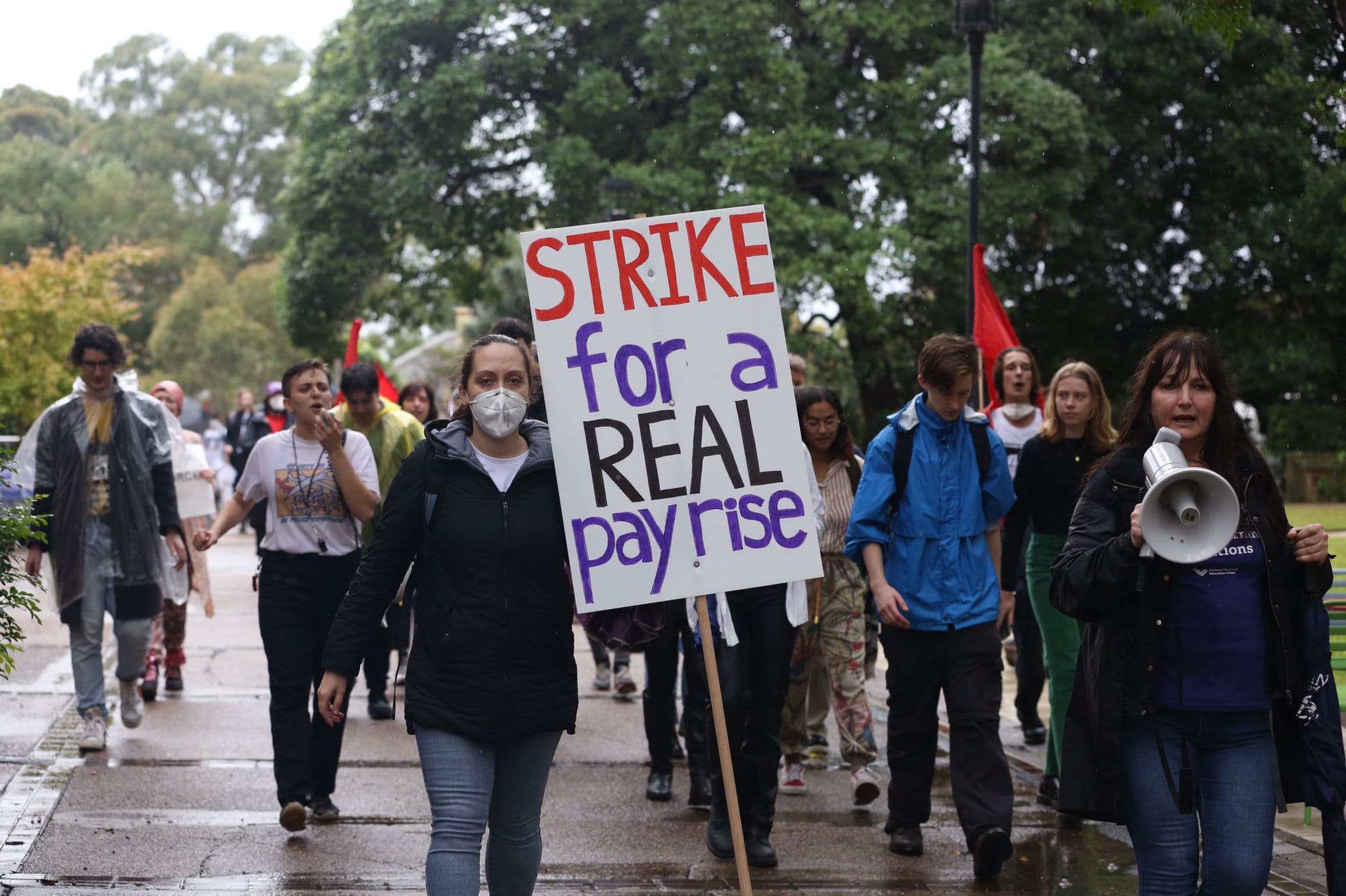
Universities around the country are entering enterprise bargaining negotiations and there’s a debate about what the National Tertiary Education Union’s wage claim should be.
NTEU Fightback, a rank-and-file activist group in which I am active, published an open letter in March arguing to increase the union’s pay demand from the then flat rate figure of 12 percent over 3.5 years (which equates to a real wage cut). Following pressure, this figure was revised by the union’s national executive to 15 percent. This would still be a real wage cut.
On 10 June, a branch committee meeting at the University of Sydney passed the following motion, moved by me and seconded by another union member, Jennifer Huch-Hoogvliet:
“This meeting of the branch committee members at University of Sydney recommends to the membership that our wage claim for the Enterprise Bargaining Agreement 2021-2024 be changed to CPI plus 2.5 percent per year, for the life of the agreement and that this be endorsed at the next members meeting.”
This motion is important for several reasons. First, no union in the country has adopted such an ambitious pay claim. Pegging the pay claim to inflation would guarantee that our living standards are not cut. If inflation climbs to 7 percent by the end of the year, as predicted by head of the Reserve Bank Philip Lowe, we will campaign for wage rises of at least 9.5 percent, which is miles ahead of other figures being suggested elsewhere.
Second, Sydney University is a “leading site”. Our history of protest and strikes means that we tend to set the bar for wages and conditions in higher education. Third, we have already had three days of strikes. Aiming for a good pay rise means people have something to aspire to and strike for. It changes the dynamic of the campaign to not just being about defending existing conditions, but fighting for above and beyond. It raises the standard.
The cost of living is skyrocketing. Petrol prices have been at record highs since February. Essentials are up 6.6 percent. The cost of vegetables has gone up 12.7 percent in the last year. Some pantry basics such as dried pasta have gone up as much as 30 percent.
We are being warned of skyrocketing gas and electricity bills. The combination of war, floods and the pandemic will continue to drive prices up this year.
The burden of rising costs is not spread evenly but is felt the most by workers, who spend a higher percentage of our income on essentials like rent and food.
Meanwhile, universities have profited handsomely during the pandemic by forcing through job cuts and increasing workloads. Sydney University's annual report has just revealed a $1.05 billion surplus.
Our side needs to fight back.
Since the motion was passed, two more branches have passed similar motions, the Australian National University and RMIT.
Unionism should be about winning pay rises for workers, not proposing wage cuts. We should be striking to win improvements to our living standards, not selling off hard-fought-for conditions in exchange for paltry wage rises.
As Israel’s latest brutal war against the people of Gaza drags on, the need to challenge the Zionist state and all those who facilitate its genocidal campaign couldn’t be clearer.
In the latest outburst of national security hysteria, ASIO spy chief Mike Burgess declared, in a speech on 28 February, that an unnamed former Australian politician had betrayed our beloved country by clandestinely working for an evil foreign spy network—which he called “the A-team”—to provide secret information to a rival power.
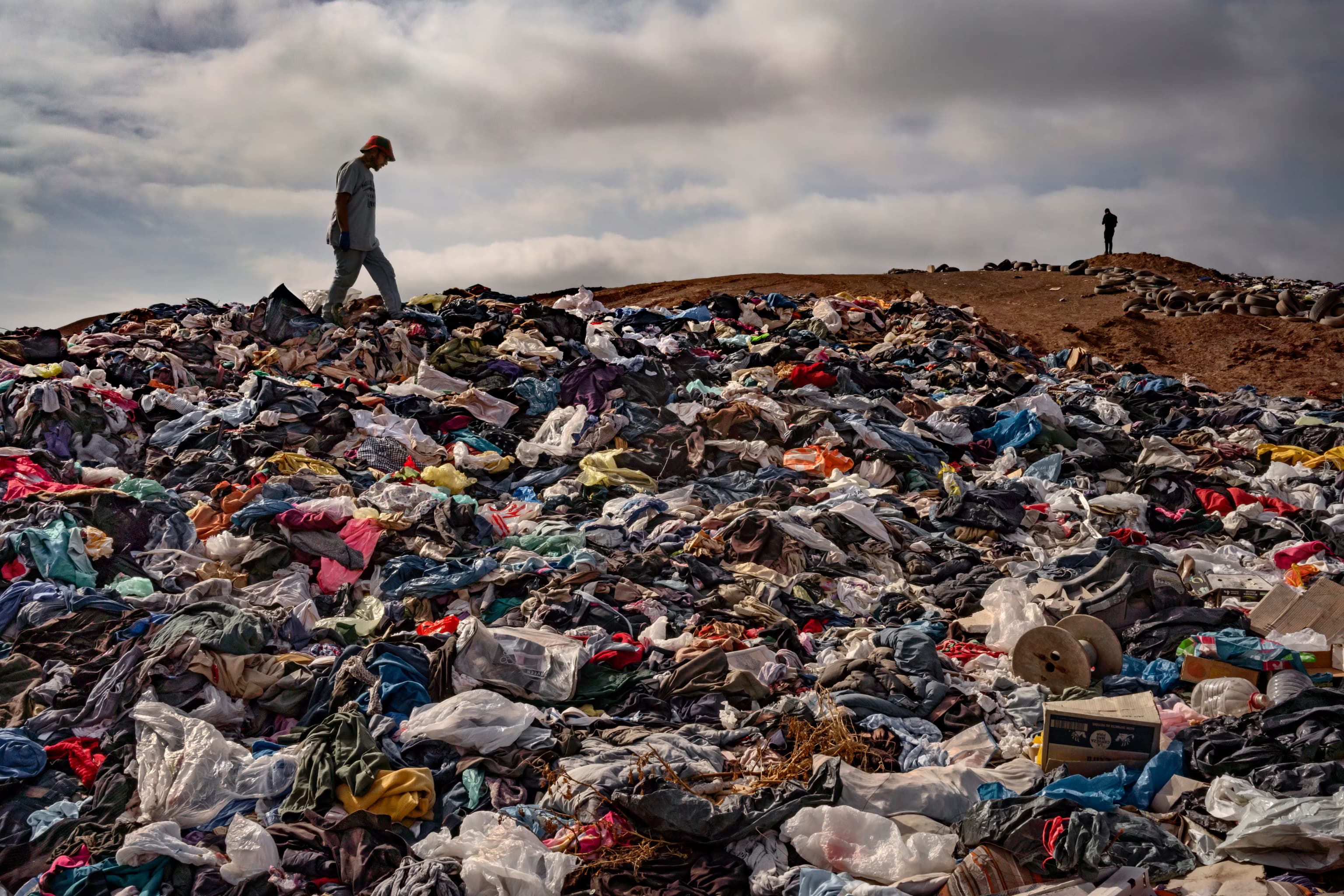
Measured by the sheer volume of stuff produced, capitalism is a very successful system. According to World Bank data, in 1960 global gross domestic product (GDP)—which measures the monetary value of goods and services sold—was just under US$1.4 trillion. By 2022 it had risen to $101 trillion. The world’s population has increased a lot in that time, but the volume of stuff produced has increased by far more.

Banyule City Council has become the eighth metro council in the Melbourne area to formally call for an immediate ceasefire in Gaza.
In a monumental betrayal, Melbourne University’s Students’ Council last month voted to rescind a motion supporting the Palestinian struggle for self-determination and the global Boycott, Divestment, Sanctions movement.
The truth, it turns out, won’t set you free: under capitalism it can get you locked up. That’s what Julian Assange discovered when he spoke truth to power.