
Treasurer Jim Chalmers reiterated that he “cherishes” the independence of the Reserve Bank of Australia, in the wake of its twelfth interest rate rise since Governor Philip Lowe initiated monetary tightening last year. As economics writer Alan Kohler says, “Politicians, both government and opposition, refer so often to the ‘independent’ Reserve Bank as a talisman against being blamed for what it does, that its initials should change to the IRBA”.
With RBA policy driving Australia towards rising unemployment and possibly a recession, many have pointed out that the government does have the power to override decisions of the RBA board. However, perhaps not for long: Chalmers has announced “in-principle agreement” with all 51 recommendations made by a recent review into the bank. Recommendation number one would remove the power of the elected government to override RBA monetary policy.
This will remove one more fig leaf of democratic control over economic policy and is in line with the trend since the 1980s. Part of the ideology that underpinned the attacks on the working class from that time onwards has been the idea that the fundamentals of economics are no longer up for debate. Both Labor and Liberal accepted that whatever “the market” wanted should determine everything.
Today, anything besides slavish obedience to “the market” is derided as “pixie dust”—to use the prime minister’s words as he ruled out supporting rent controls. It flows logically that good economics becomes purely a technical question best left to the experts, those who can divine the demands of the mysterious and unforgiving deity known as “the market”.
What “the market” means is capitalist profits. One look at the current RBA board gives the game away. Its nine members are stacked with directors of big businesses like Wesfarmers, Fortescue and CSL. You won’t find anyone in mortgage stress on the list, nor anyone facing the risk of unemployment. Here is the crux of its so-called “independence”, so “cherished” by Jim Chalmers: the RBA must be independent from the mass of the population, all the better to rule over them, to squeeze their living standards and to serve the interests of the tiny minority of capitalists.
Philip Lowe and Co. have clearly spelled out their agenda. Recent speeches by Lowe and Deputy Governor Michele Bullock confirm that their approach is to raise unemployment by up to 200,000 people. They declare that the current unemployment rate of 3.6 percent (somewhere between 511,000 and 1.3 million people, depending on how you measure it) is “above full employment” and leading to inflation.
Despite ballooning profits for banks, supermarkets and energy companies, while average real wages have fallen by more than 7 percent since 2020, Bullock argues that it “has been people on lower incomes and with less education who have benefited the most from the strong labour market conditions”. The RBA is determined to rain on these “good times” for the poor.
Lowe’s term as governor ends in a few months, and there is speculation that the Labor government will not renew his contract. Another aspect of Labor’s review into the RBA, supported by the Liberal Party, recommends creating a new interest rate setting with more economic “expertise”, and narrowing the parameters that guide its decisions. This is partly a result of Lowe’s perceived stuff-ups in recent years. But some in the media have interpreted it as Labor wanting a more meaningful change in direction for the RBA, a left-wing shift towards prioritising full employment over inflation control.
Such hopes are misguided. If anything, the review shifts things in the opposite direction, recommending the removal of the bank’s aim of ensuring “the economic prosperity and welfare of Australians”. Lowe himself has said that this wouldn’t change how the RBA made its decisions on interest rates. After all, trickle-down economics has for decades justified denying “prosperity and welfare of Australians” in favour of the prosperity and welfare of the uber-rich. As for a new board of economic “experts” setting interest rates, they would no doubt be the same kind of economists who come up with bullshit like trickle-down economics.
Labor may worry about the effect of RBA policy on its chances of re-election in coming years, and will continue emphasising the “independence” of its decisions. But fundamentally, the government’s approach to the economy has been the same as Lowe’s: giving the green light to corporate price-gouging and offering more tax cuts for the rich, while holding down wages and social spending.
Measured by the sheer volume of stuff produced, capitalism is a very successful system. According to World Bank data, in 1960 global gross domestic product (GDP)—which measures the monetary value of goods and services sold—was just under US$1.4 trillion. By 2022 it had risen to $101 trillion. The world’s population has increased a lot in that time, but the volume of stuff produced has increased by far more.
As Israel’s latest brutal war against the people of Gaza drags on, the need to challenge the Zionist state and all those who facilitate its genocidal campaign couldn’t be clearer.
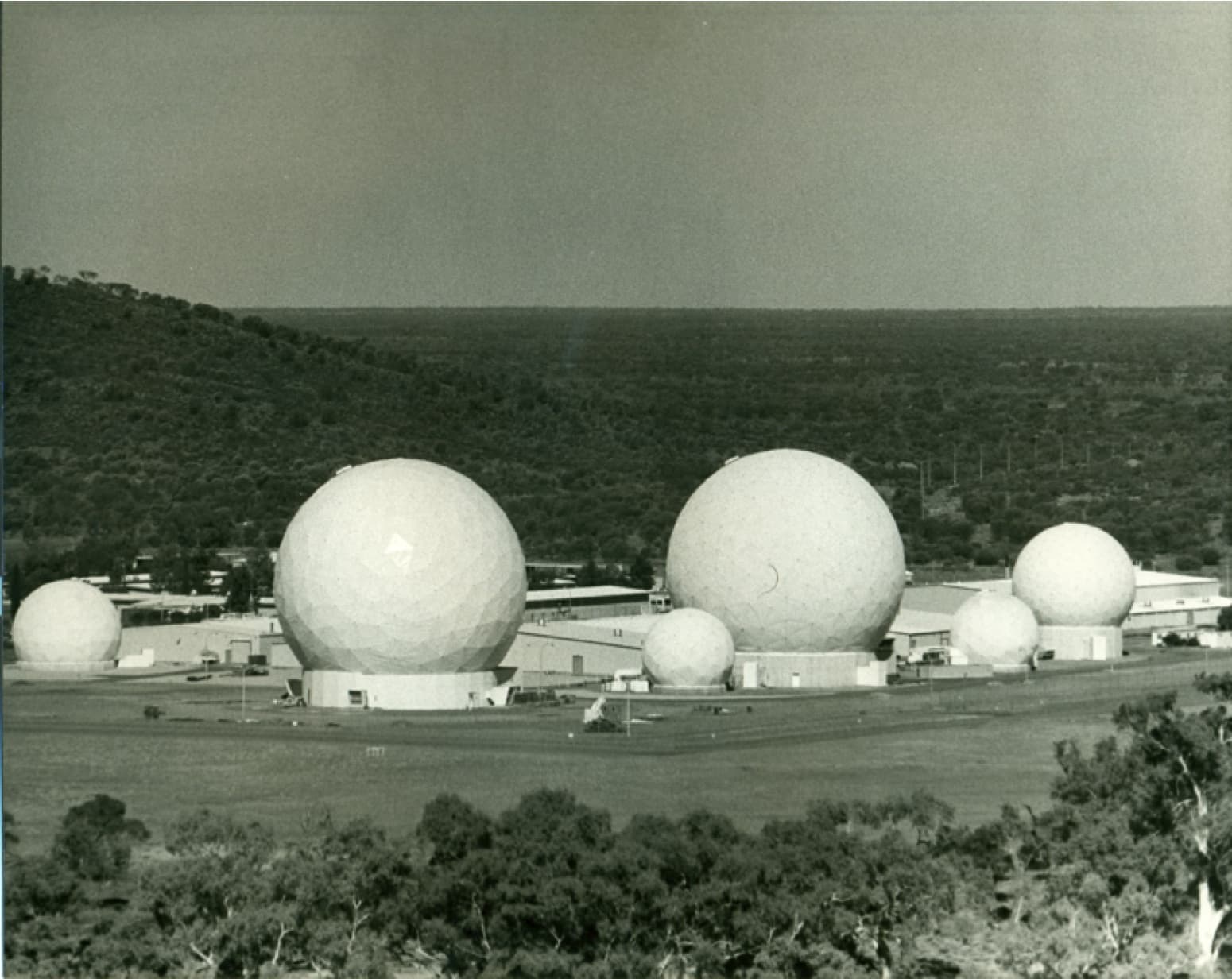
In the latest outburst of national security hysteria, ASIO spy chief Mike Burgess declared, in a speech on 28 February, that an unnamed former Australian politician had betrayed our beloved country by clandestinely working for an evil foreign spy network—which he called “the A-team”—to provide secret information to a rival power.

Banyule City Council has become the eighth metro council in the Melbourne area to formally call for an immediate ceasefire in Gaza.
In a monumental betrayal, Melbourne University’s Students’ Council last month voted to rescind a motion supporting the Palestinian struggle for self-determination and the global Boycott, Divestment, Sanctions movement.
The military ordered hundreds of thousands of people into a designated “safe” zone. On reaching it, they were shelled by the army and the air force. The generals said there was another safe zone; if the people kept moving, respite would be found. It wasn’t. Again they were attacked. The scene repeated, but now, corralled onto a tiny stretch of beach and trapped against the ocean, there was no way out.