
Real wages in Australia continue to fall and are now down 7 percent in two years. This is the biggest fall in real wages ever recorded. The overall proportion of national income going to wages is also the lowest on record, at just 45 percent. According to Jim Stanford, an economist at the Australia Institute, “This decline in labour’s share of GDP ... represents foregone earnings of close to $5,000 a year per employee, on average”.
Household savings accumulated in the era of pandemic stimulus are now evaporating. Yarra Capital Management economist Tim Toohey, in a note sent to clients in early March, predicted that the poorest 20 percent of households will face a 24 percent fall in discretionary income this year, while recent interest rate hikes will “unleash enormous financial pain on the lower income and younger households”.
The housing crisis is becoming unbearable. Everybody’s Home, a coalition of housing and welfare organisations, estimates that Sydney rents have now risen by 33 percent on average in the last 12 months. Rents in some parts of Melbourne have risen more than 40 percent.
Before raising interest rates for the tenth consecutive time on 7 March, Reserve Bank Governor Phillip Lowe met with representatives from Suicide Prevention Australia, the national peak body for suicide prevention organisations. They told him that the top three factors contributing to suicide are now the cost of living and personal debt, housing access and affordability, and unemployment and job security. A shocking one in six people have reported serious thoughts of suicide in the past twelve months. Lowe raised rates anyway.
Meanwhile, corporate profits have soared by 43.6 percent since 2019, and are now hogging 29 percent of all national income, their greatest ever share on record. The combined wealth of Australia’s 50 richest people has grown by 70 percent in the same time, to $219 billion.
Where is the federal Labor government in all this? There are a host of measures it could take to address the inequality and cost-of-living crises, from caps on rent and energy bills to wage rises and public housing programs, and higher taxes on corporate profits and the rich. But Labor is not doing any of these things. Worse, its policies are funnelling even more wealth from the working class to the rich.
Australia’s tax system is rife with billions of dollars in gifts to the wealthy. A new report from the Commonwealth Treasury outlines just how much these giveaways are worth. Capital gains tax, for example, is paid on profits made from selling an asset, such as an investment property or shares in a company. But unlike regular income tax, investors are given a 50 percent discount. Guess who that benefits? According to Treasury, of the $23.7 billion in revenue lost to this discount this year, three-quarters will go to the richest 10 percent of the population.
Superannuation is taxed at a flat rate of 15 percent. For those on the lowest incomes, this is actually a higher rate than their regular income tax. But the richer you are, the bigger the tax discount you receive on your super contributions and earnings. This year, Treasury predicts this to be worth $48.2 billion, with the richest 10 percent taking home 35 percent of that. Anthony Albanese has announced Labor’s intention to raise the tax to 30 percent for super balances of more than $3 million. But earnings on the first $3 million remain untouched, meaning the very richest Australians will still be paying a tax rate much lower than a nurse or a construction worker—an average 6.5 percent, according to one ABC calculation.
Property investors are set to receive $24.4 billion in tax deductions for rental properties this year. This is known as negative gearing, which allows landlords to deduct the costs of renovations, maintenance or interest on a mortgage from their tax bill. So renters are not only paying their landlord’s mortgage; they are paying their tax bill too.
Around $8 billion per year of fuel tax credits are given to businesses by the federal government, most going to large corporations and about half to mining companies. According to the Australia Institute think tank, around $11 billion of subsidies are given to fossil fuel companies by federal, state and territory governments every year—that’s more than $22,000 per minute. And all this is before the stage three tax cuts come into effect, another huge gift to the rich.
To overhaul this system of wealth being sucked from the bottom of society to the top requires a willingness to take on corporations and the rich. This is not in the DNA of the Albanese Labor government, which, before being elected, clearly signalled its intent to be an “unashamedly pro-business” government. Its approach to politics is to suck up to the business elite who rule Australia and prove that it is a better servant of capitalism than the Dutton-led Liberal opposition.
Measured by the sheer volume of stuff produced, capitalism is a very successful system. According to World Bank data, in 1960 global gross domestic product (GDP)—which measures the monetary value of goods and services sold—was just under US$1.4 trillion. By 2022 it had risen to $101 trillion. The world’s population has increased a lot in that time, but the volume of stuff produced has increased by far more.
As Israel’s latest brutal war against the people of Gaza drags on, the need to challenge the Zionist state and all those who facilitate its genocidal campaign couldn’t be clearer.
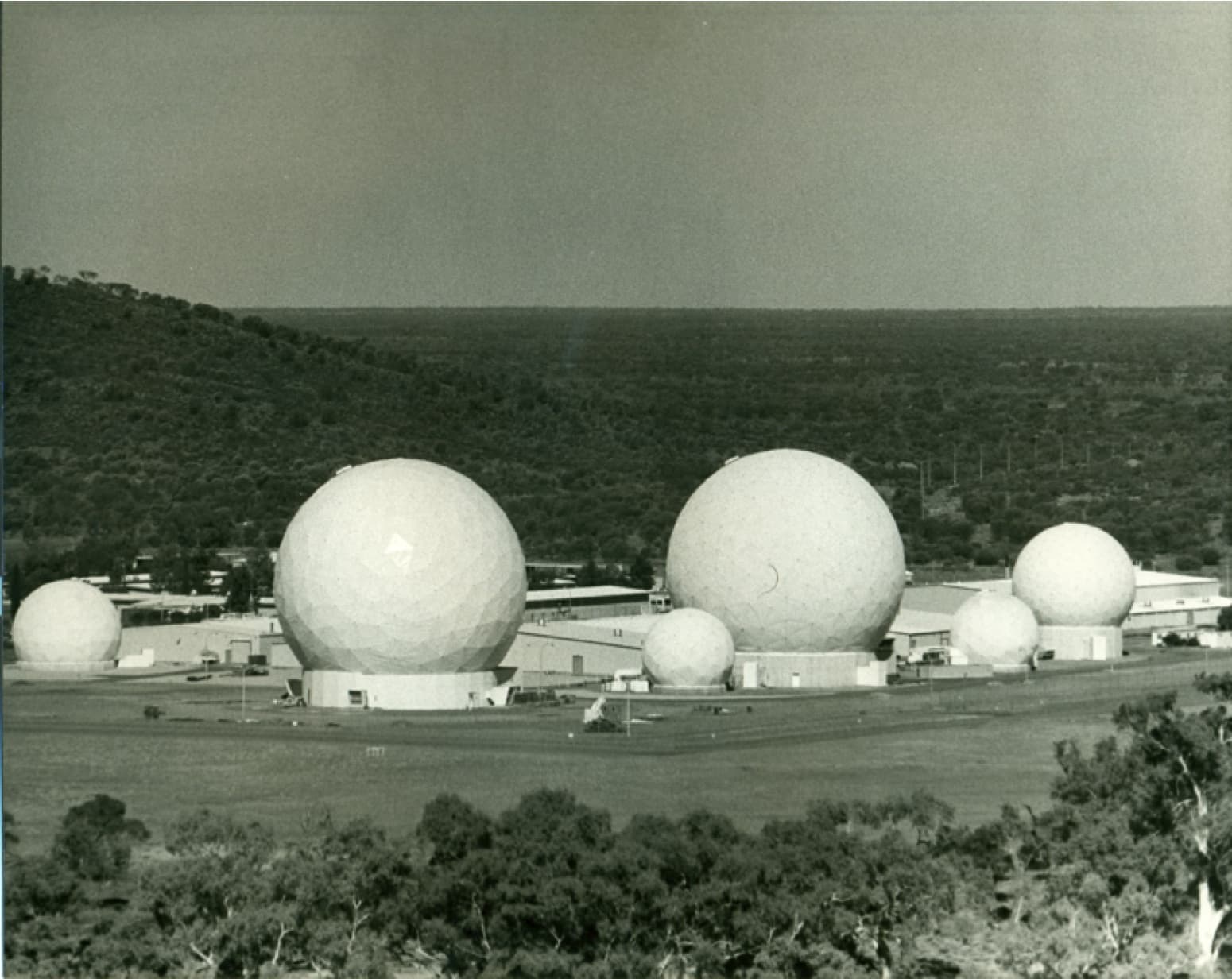
In the latest outburst of national security hysteria, ASIO spy chief Mike Burgess declared, in a speech on 28 February, that an unnamed former Australian politician had betrayed our beloved country by clandestinely working for an evil foreign spy network—which he called “the A-team”—to provide secret information to a rival power.
Banyule City Council has become the eighth metro council in the Melbourne area to formally call for an immediate ceasefire in Gaza.
In a monumental betrayal, Melbourne University’s Students’ Council last month voted to rescind a motion supporting the Palestinian struggle for self-determination and the global Boycott, Divestment, Sanctions movement.
The military ordered hundreds of thousands of people into a designated “safe” zone. On reaching it, they were shelled by the army and the air force. The generals said there was another safe zone; if the people kept moving, respite would be found. It wasn’t. Again they were attacked. The scene repeated, but now, corralled onto a tiny stretch of beach and trapped against the ocean, there was no way out.